

Mange By Mail Program
Helping Foxes and Coyotes Recover From Sarcoptic Mange Through Education, Treatment Guidance, and Community Support.
We provide cost-effective medical dosages of Ivermectin safely packaged for wild
canids. Help us keep wildlife wild, healthy, and back in their natural deep woods.
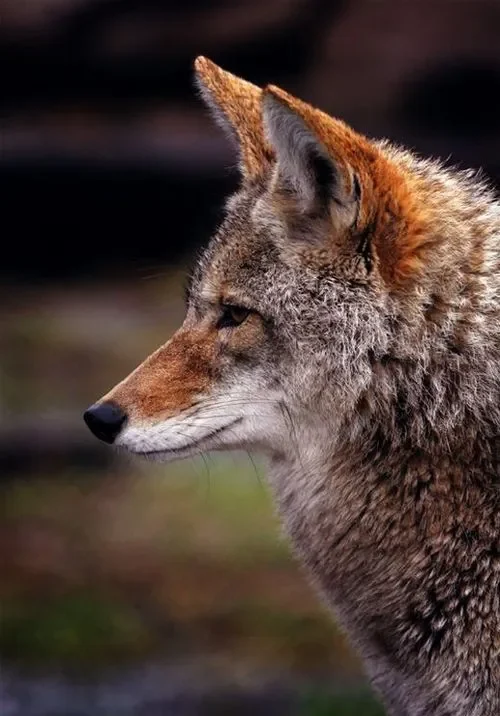
Etiology & Wildlife Distress
What is Sarcoptic Mange?
Contrary to popular belief, mange is not a terminal virus or genetic condition. It is a highly contagious inflammatory skin disease caused by the microscopic burrowing mite Sarcoptes scabiei var canis. These mites nest inside the outer dermal layers of foxes, coyotes, and wolves.
In healthy animals, standard grooming keeps parasite colonies to an absolute minimum. However, when an animal suffers a temporary immune drop (due to rough winters, severe weather, breeding stress, or environmental rodenticides), the mites quickly multiply out of control.
Sarcoptic mange can devastate local ecosystems, but it is deeply responsive to affordable, veterinary-guided therapy. We aim to help you get this life-saving chemical relief out to them safely.
Identification Checklist
Signs of Sarcoptic Mange
Identify mange correctly versus nother natural skin issues. Sarcoptic mange is primarily
identified by progressive hair loss and extreme physical itch discomfort.
Severe Hair Loss
Losing large patches of fur, starting at the tail, hind legs, or shoulders. Can progress to 100% total baldness across their entire body.
Thickened, Crusted Skin
As the mites burrow and lay eggs, the skin reacts by thickening, forming deep, painful folds and yellow or dark crusty layers.
Constant Scratching
Compulsive, frantic scratching, licking, or biting at their skin. They will often ignore normal foraging or play because of itching.
Severe Weight Loss
Suffering wild canids quickly become emaciated and ribby. They represent skeletons with hair loss due to the massive metabolic stress.
Weak Appearance
Lethargic, moving slowly, seeking sunspots to stay warm, and losing their natural fear of humans in a desperate bid to find easy food sources.
Skin Infections
Open bloody sores, damp skin areas, and secondary infection odors caused by pathogenic dirt and heavy scratching behavior.
A Quiet Death in the Wild
Why Our Non-Interventionist Assistance Matters
Mange is rarely terminal on day one, yet the physical symptoms lead directly to a prolonged, agonizing death. These conditions are preventable with the help of observant citizens.
Hypothermia & Freezing
As mites burrow, scratching destroys hair shafts. Entire patches of back/tail guard furs vanish, leaving foxes and coyotes exposed to cold rains and winter snows. Without custom fat resources, they literally freeze to death.
Starvation & Exhaustion
Pruritic itching is so extreme that animals spend more than 12 hours a day chewing at their legs. They cannot hunt natural prey, turning to human garbage yards or starving slowly over 4 to 6 terrible months.
Secondary Skin Infections
Incessant biting opens weeping skin wounds. Dirt/microbes enter, sparking major internal blood poisoning. Decades of free rehabilitation show that simply removing the mites breaks this cycle, letting natural healing resume.
An Emotional Call to Help
Why the Mange By Mail Program Exists.
Sarcoptic mange is one of the most agonizing ways for a wild animal to die. Because they itch constantly, they spend more than half of their day scratching instead of hunting, leading to rapid starvation.
Wild canids are key players in maintaining our natural ecosystems by balancing rodent and rabbit populations. When rodenticides (mouse and rat poison) enter the food chain, foxes eat the poisoned prey. The toxin severely sickens them, breaking down their immune resilience and allowing mites to multiply unchecked.
Hypothermia
Losing their double coat
exposes them to freezing weather, freezing them to death.
Starvation
Too exhausted and sore to hunt, they slowly starve from energy deficit.
Secondary Infection
Incessant scratching creates deep open skin wounds that easily become infected.
Extreme Discomfort
Constant itching prevents sleep, leading to critical chronic physical depletion.
Our 4-Step Process
How the Program Works
We’ve made the process incredibly simple and structured so that anyone can successfully administer treatment safely and legally under our veterinary permits.
Step 1
Identify & Observe
Spot a wild fox or coyote in your area showing clear signs of mange (baldness, sores, intense scratching). Note their typical arrival hours.
Step 2
Access Resources
Click our Instructions page to read the full dosing safety protocols, watch training guides, and request a treatment kit sent directly to your mailbox.
Step 3
Bait the Animal
Inject the calculated oral Ivermectin dose inside a raw turkey meatball. Place the bait and watch closely to ensure only the target animal eats it.
Step 4
Monitor Recovery
Within 48 hours itching ceases. Within weeks you will see fine 'peach fuzz' fur returning. The fox returns happily to hunting and stays wild.
Wildlife Identification Gallery
See actual examples of foxes and coyotes under recovery to correctly evaluate mange severities.


Support the Mange By Mail Program
We send medication vials and precise syringes to caretakers in dozens of states. Your standard tax-deductible
donation ensures we purchase and ship larger quantities of treatment materials.100% of proceeds
go back into helping wild coyotes and foxes stay wild and free of pain.
- Bi-State Wildlife is a registered, permit-holding 501(c)(3) nonprofit charity organization.
FAQ
Frequently Asked Questions
Access precise program guidance engineered from our 11-page Program Guide PDF and veterinarian-vetted scientific reviews.
Ivermectin is available at 1% injectable, or pour on at any livestock and feed store for the public to purchase. No prescription is needed for its purchase or use. We simply make it cost effective by sending out smaller doses for much less cost of purchasing a whole bottle meant for 500lb+ cattle and horses.
Ivermectin has been proven safe at 10-16x the 400mcg/kg strength that we are using for fox/coyotes in the following species: Armadillo, Bobcat, Opossums, Raccoons, Raptors, Skunks, and feral cats. We ask the participants in our program to use the medicine in meat-based foods in order to attract carnivores specifically and to avoid adversely dosing smaller mammals like squirrels and chipmunks.
We send out exactly 3ml of 1% Ivomec brand Ivermectin (Merial Pharmaceuticals) and 20g syringes with large enough bore to draw up viscous medications like Ivomec. The letter we send participants explains exactly how to dose a fox or coyote, tells them about Ivermectin Breed Sensitivity and pleads with participants to observe the bait until it is eaten by the intended target.
Ivermectin is available in a pour-over version that livestock owners use for cattle and swine. This means that 1% Ivermectin is routinely being poured over livestock and the runoff is currently getting into the ground without any known adverse effects. Studies have been done (Available on PubMed) on the effects of Ivermectin on soil, invertebrates, and other unintended targets. The general
consensus of these studies is that Ivermectin is very well tolerated by the
inhabitants of our natural environment.
We use a different dosing schedule too for foxes or coyotes in captivity! Just because Ivermectin is tolerated and effective at the dosages discussed, doesn’t mean it’s the best possible option. When a mange case can be caught/trapped, and brought IN for treatment, we treat according to normal domestic animal mange protocols, and we prefer selamectin before releasing the animal back to the wild. In rehab we can also treat the awful skin infections that the fox has, and the emaciation – all